%20(1).png)
How Events and Attractions Will Shape Holiday Accommodation Demand in 2026
Holiday accommodation bookings are increasingly influenced by the timing and popularity of events and attractions. As 2026 approaches, understanding how festivals, outdoor events, sporting fixtures, and regional attractions affect traveler choices can help accommodation providers and travelers alike plan better. This post explores the key ways these factors will drive demand well in advance, shaping the holiday accommodation landscape for the coming year.
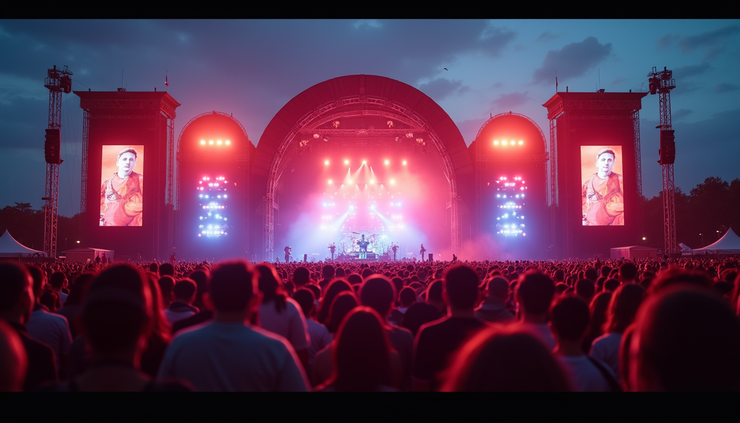
Festivals and Their Impact on Accommodation Demand
Festivals remain one of the strongest drivers of holiday accommodation bookings. In 2026, major music, cultural, and food festivals will continue to attract visitors from across regions and countries. These events often require attendees to book accommodations months ahead, especially in smaller towns where options are limited.
For example, the Glastonbury Festival in the UK typically causes a surge in local accommodation bookings up to a year in advance. Similarly, the Oktoberfest in Munich draws millions, pushing hotels and guesthouses to full capacity early. These festivals create predictable spikes in demand, allowing accommodation providers to adjust pricing and availability accordingly.
Smaller, niche festivals also contribute to demand in less obvious ways. Regional arts festivals or local food fairs can attract visitors who prefer quieter, less crowded destinations but still require lodging. These events often encourage stays of several days, increasing overall accommodation occupancy.
Outdoor Events and Seasonal Attractions
Outdoor events such as marathons, cycling races, and open-air theater performances are growing in popularity. These events often take place in scenic or rural areas, where accommodation options may be limited. As a result, travelers book early to secure convenient lodging.
For instance, the Boston Marathon draws thousands of runners and spectators, creating a surge in hotel bookings in the city and surrounding towns. Similarly, outdoor theater festivals in national parks or historic sites encourage visitors to stay nearby, boosting demand for cabins, lodges, and boutique hotels.
Seasonal attractions like ski resorts or coastal beach towns also see accommodation demand closely tied to event calendars. Winter sports competitions or summer beach festivals can fill hotels months ahead, especially when combined with holiday periods.
Sporting Fixtures and Accommodation Trends
Sporting events have a significant influence on accommodation demand, especially when they attract international audiences. In 2026, several high-profile sporting fixtures will impact bookings:
Football tournaments such as the UEFA European Championship qualifiers will draw fans to host cities.
Tennis Grand Slam events continue to attract global visitors requiring nearby accommodation.
Motorsport races like Formula 1 Grand Prix events create short-term but intense demand spikes.
These fixtures often lead to price increases and early sell-outs in hotels close to venues. Travelers attending these events tend to book months in advance to secure the best locations and rates.
Local accommodation providers benefit from these events by offering packages that include transport or event tickets. This bundling can increase occupancy and revenue during peak times.

Regional Attractions and Their Year-Round Influence
Beyond specific events, regional attractions play a steady role in shaping accommodation demand. Historic landmarks, natural parks, and cultural sites attract visitors throughout the year. In 2026, destinations with well-promoted attractions will see consistent bookings, especially when combined with event calendars.
For example, the Lake District in England attracts hikers and nature lovers year-round. When combined with local events like food festivals or craft fairs, accommodation demand rises noticeably. Similarly, cities with museums, galleries, and theaters see steady tourist flows that increase during special exhibitions or performances.
Accommodation providers near these attractions can benefit by tailoring their offerings to event schedules and promoting local experiences. This approach encourages longer stays and repeat visits.
Planning Ahead for 2026 Accommodation Demand At Events and Attractions
Travelers and accommodation providers both benefit from understanding how events and attractions influence bookings. For travelers, early planning ensures access to preferred lodging and better rates. For providers, anticipating demand spikes allows for better inventory management and pricing strategies.
Key tips for travelers include:
Research event dates and book accommodations as soon as tickets go on sale.
Consider staying in nearby towns if accommodations near the event sell out.
Look for package deals that combine lodging with event access or local tours.
Accommodation providers should:
Monitor event calendars and adjust availability accordingly.
Promote local attractions and events to attract visitors year-round.
Offer flexible cancellation policies to encourage early bookings.
By aligning accommodation strategies with event schedules and regional attractions, both travelers and providers can make the most of the opportunities 2026 presents and enjoy Events and Attractions.


Comments